
The long road, and who keeps it open
Getting there is only half the battle. A vehicle bound for a humanitarian or conservation team in Africa can travel thousands of kilometres before its real test begins. The international leg, for all its…
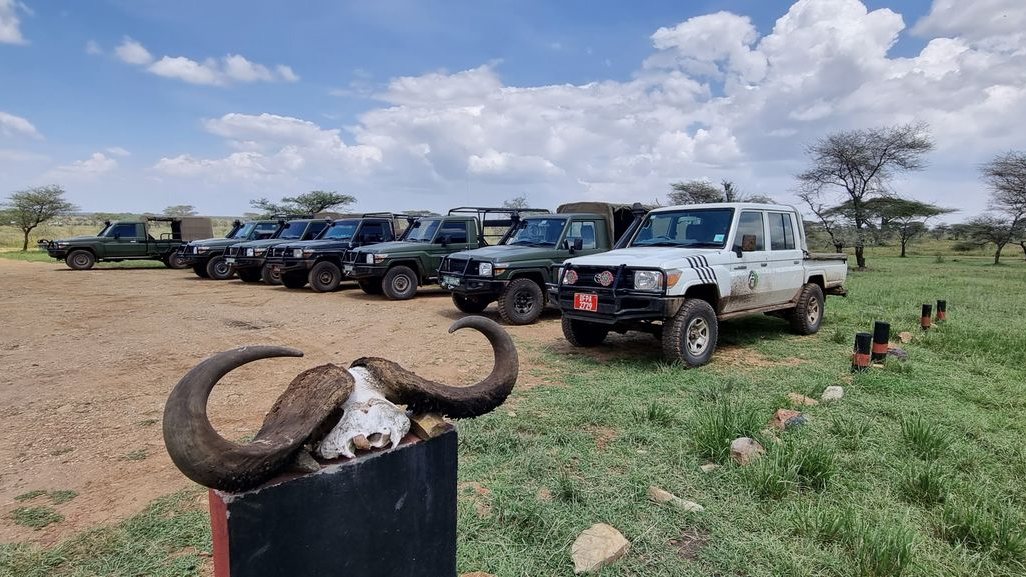
Getting there is only half the battle. A vehicle bound for a humanitarian or conservation team in Africa can travel thousands of kilometres before its real test begins. The international leg, for all its distance, is rarely where the trouble lies. The difficulty comes afterwards: the borders to be cleared, the hand-offs between one transport network and the next, and the final stretch of road to a team working far from any port.
Then, once the keys have been handed over, a second and longer challenge begins. The vehicle has to keep running, often for years, in places where seasonal rains wash out tracks, a phone signal comes and goes, and the nearest workshop may be hours away. Here, a minor fault can bring an entire operation to a halt.
Out there, how long a vehicle stays on the road comes down to three things: the person behind the wheel, the care it gets between journeys, and the skills available to fix it when something goes wrong.
Both halves of that story sit on the desk of Jean-Philippe Lézeau, Fleet Services Manager at Toyota Gibraltar Stockholding (TGS), which supplies vehicles to humanitarian and conservation organisations. In an email interview with Logistics Update Africa, he set out how the company approaches delivery into remote operating zones, what field teams face once they are there, and where TGS Fleet Services sees its role in the years ahead.
This story was originally published by Logistics Update Africa. Read the full story at Logistics Update Africa →

Conversation