
The Next Logistics Capacity Investment May Not Be Another Building
When a distribution center begins to run out of capacity, the conversation usually turns to physical expansion. The company may need another building, a larger yard, additional dock doors, more equipment, or a second…
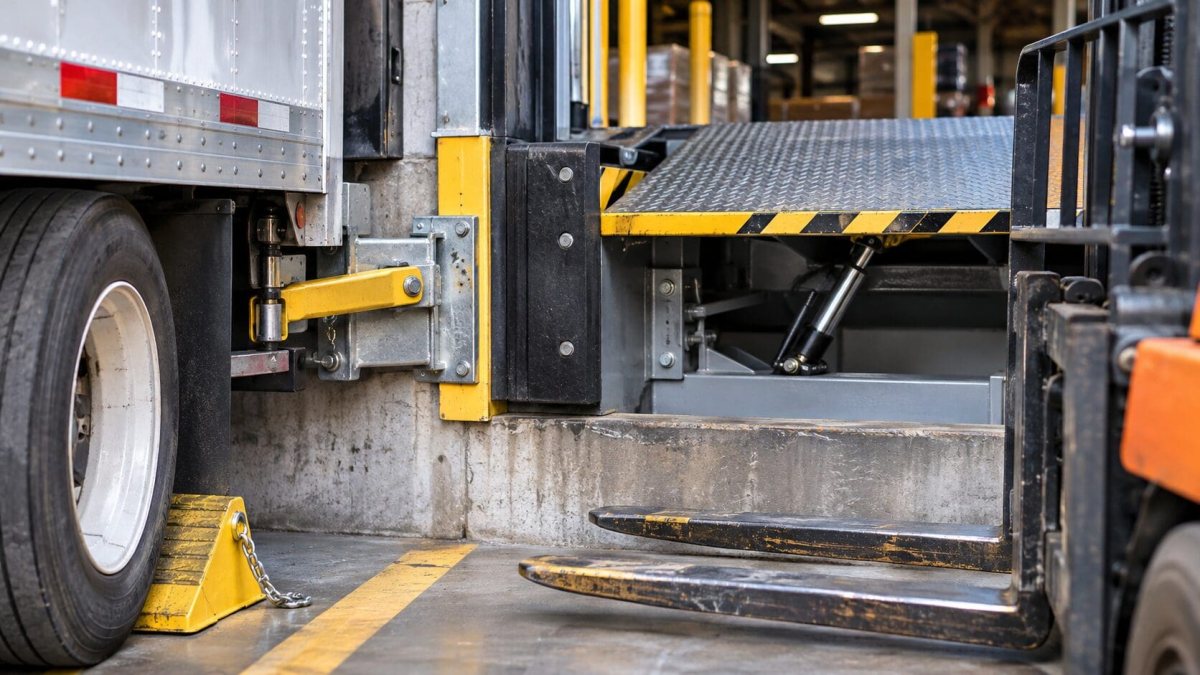
When a distribution center begins to run out of capacity, the conversation usually turns to physical expansion. The company may need another building, a larger yard, additional dock doors, more equipment, or a second site closer to customers. Those are familiar decisions, supported by familiar metrics: square footage, pallet positions, average volume, and the cost of carrying another lease.
There is a question that should come before the capital request. Is the network actually short of physical capacity, or is too much of the capacity it already owns being lost between activities? A dock door waiting for a late trailer is technically available but not productive. A switcher that cannot identify the next trailer to move is on the payroll but not adding throughput. A shipment that cannot be scheduled may tie up inventory even while the warehouse has labor ready to load it.
The answer matters because building capacity and recovering capacity are different investments. One expands the physical system; the other improves how the existing system is used. In the right circumstances, the second can deliver faster returns with less capital at risk. It will not eliminate every expansion, but it can prevent companies from mistaking operational friction for a structural shortage.
This story was originally published by Logistics Viewpoints. Read the full story at Logistics Viewpoints →

Conversation