
Why Warehouse Automation ROI Can Fail Before the Robot Starts Working
An automated warehouse can look flawless in a vendor demonstration. Pallets move along a defined route, robots complete carefully sequenced tasks, and the control software displays a continuous flow of work. Then an actual…
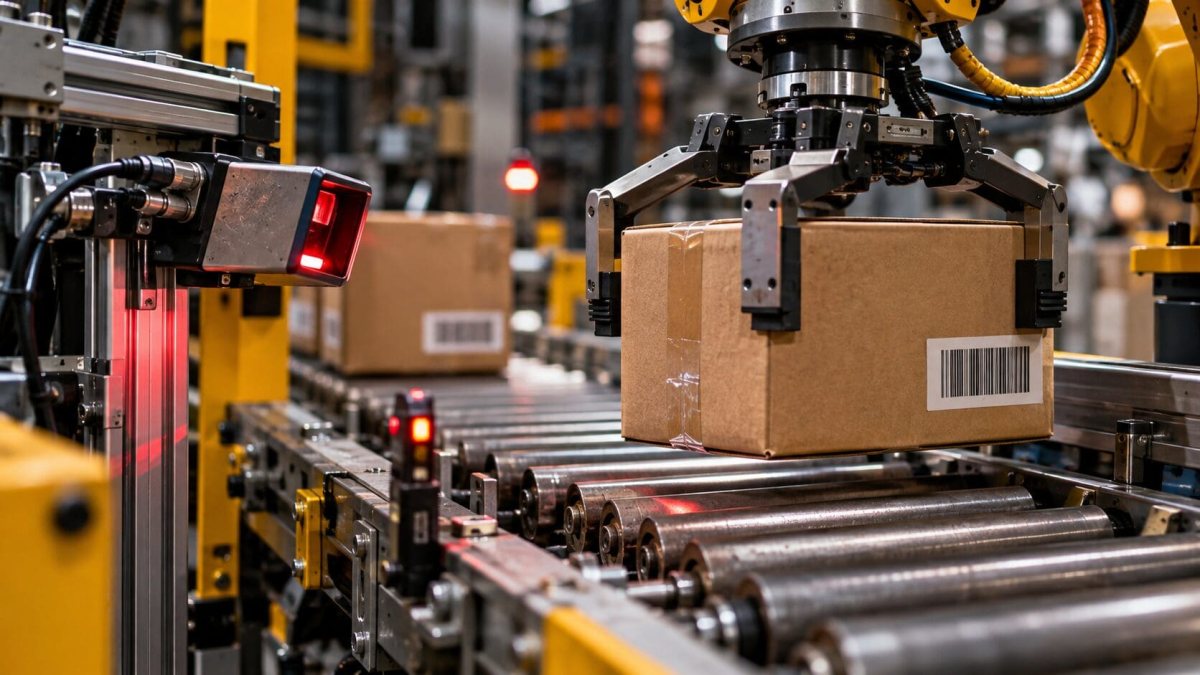
An automated warehouse can look flawless in a vendor demonstration. Pallets move along a defined route, robots complete carefully sequenced tasks, and the control software displays a continuous flow of work. Then an actual shipment arrives with an uneven pallet, a damaged label, or a load profile that falls outside the assumptions used in the design. The robot may be working exactly as intended. The operation still slows down.
That is the uncomfortable truth in many automation business cases: a machine’s rated capacity is not the same thing as a distribution center’s realized capacity. The difference is created by everything the machine depends on—product presentation, packaging, pallet quality, data accuracy, software integration, human exception management, and the ability of the next process to accept what the machine produces. Those dependencies are neither exciting nor photogenic. They can, however, decide whether a multimillion-dollar investment earns its return.
Examples involving XPO Logistics, Staples, and Del Papa Distributing illustrate the issue from different directions. They are examples of organizations addressing the surrounding operating system, not evidence that their automation investments failed. Their experience deserves attention precisely because the mechanical equipment is only part of the story.
At XPO Logistics’ fresh-goods operation in Nieuwegein, Netherlands, incoming products move into an automated crane warehouse. Before they enter the system, pallets undergo inspection. When the criteria for rejection do not match the actual requirements of the equipment, pallets can be diverted, placed on support pallets, or reloaded, consuming labor and slowing an operation designed to minimize manual handling.
This story was originally published by Logistics Viewpoints. Read the full story at Logistics Viewpoints →
Conversation