
The Return Trip Is Becoming a Logistics Product
A truck delivers fresh produce to a supermarket and heads toward its next assignment. The produce has been received, but the logistics transaction is not complete. There are empty crates in the store that…
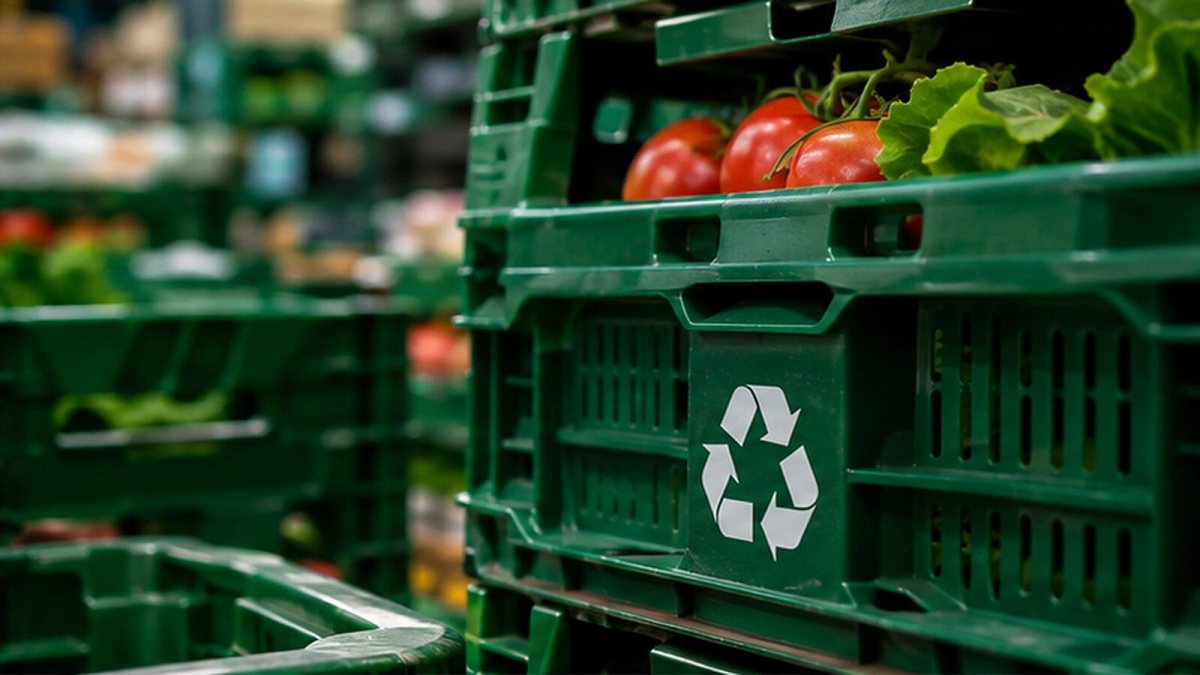
A truck delivers fresh produce to a supermarket and heads toward its next assignment. The produce has been received, but the logistics transaction is not complete. There are empty crates in the store that belong somewhere else, must be cleaned before being reused, and need to return to circulation before the next shipping cycle. In a disposable packaging model, much of that work ended with a recycling or waste stream. In a reusable model, it becomes an operating obligation with its own assets, service levels, and economics.
Reusable pallets, crates, and consumer containers are commonly discussed in environmental terms. That is understandable, given the potential to avoid single-use material. But for logistics executives, a more interesting development is taking place: the return trip itself is becoming a product. Someone must forecast the containers, retrieve them, inspect or sanitize them, reposition them, and have the right quantity available at the next point of use. A reusable package is not an environmental benefit simply because it was designed to be reused. It has to come back, in usable condition, often enough to justify the system around it.
In November 2026, IFCO described an expansion of its program with Whole Foods Market. The initiative began in 2022, initially replacing disposable corrugated cartons for products such as root vegetables with reusable plastic containers. IFCO said the collaboration had avoided nearly four million pounds of cardboard waste since inception and that use of the containers had increased substantially over the period.
This story was originally published by Logistics Viewpoints. Read the full story at Logistics Viewpoints →

Conversation