
Wind-Powered Ro-Ro Neoliner Origin Proves 70% Fuel Reduction in First Year
The wind-powered ro-ro Neoliner Origin has completed its first full year of commercial service between Europe and North America, and its owner says it...
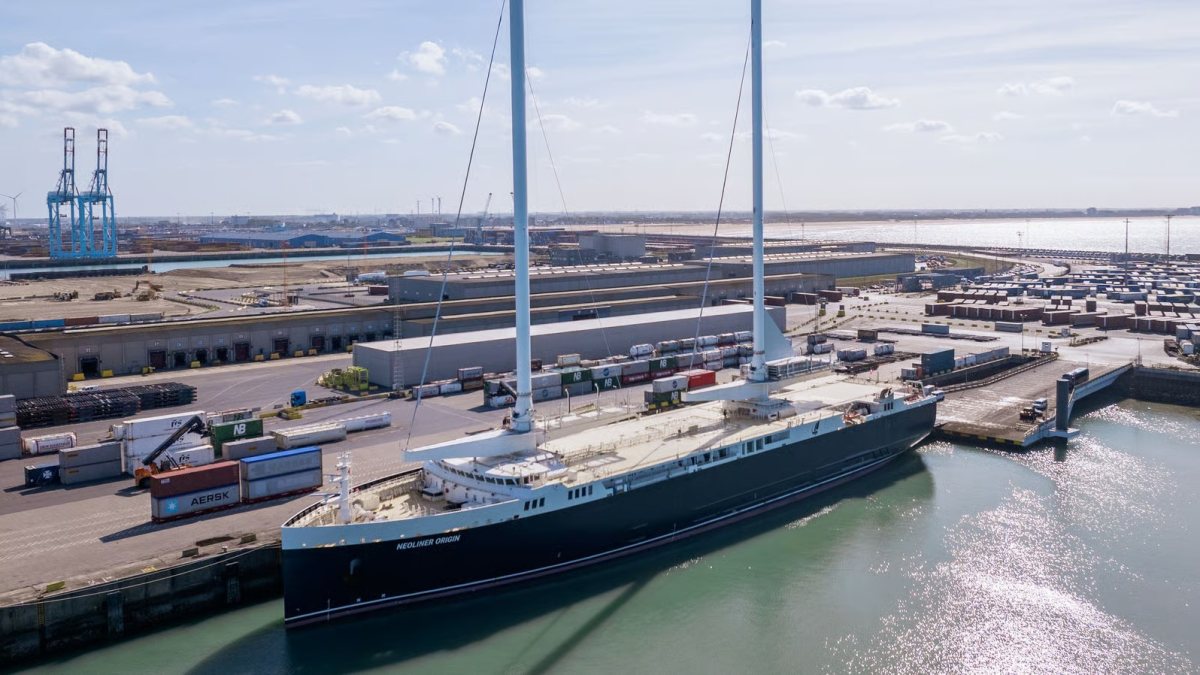
The wind-powered ro-ro Neoliner Origin has completed its first full year of commercial service between Europe and North America, and its owner says it cut fuel use by a remarkable 70 percent in 2026. That number approaches but does not quite reach the 80 percent savings target the vessel was expected to deliver when it entered service in October 2025, and the owner said that it expects to achieve better performance next year.
French shipowner Neoline said the 136-meter (446-foot) ship's first year was marked by technical problems, the difficulties of commissioning a first-of-its-kind vessel and a disrupted transatlantic trade environment.
Even so, the company says Neoliner Origin has shown that wind-powered cargo shipping can work at an industrial scale. Measured against the GLEC (Global Logistics Emissions Council) fleet reference, the ship saved 3,502 tonnes of fuel over the year. That is an average reduction of 66 percent since it entered service, and 70 percent for 2026 alone. Neoline says the fuel saved equals 11,228 tonnes of CO2 avoided. Neoline also compared the ship with a simulated conventional vessel of the same size without sails, running the same 2026 routes at 15 knots. Against that benchmark, the savings ranged from 62 to 67 percent.
Neoliner Origin uses two SolidSail rigs as its main source of propulsion. It sails on a transatlantic service from Montoir-de-Bretagne, near Saint-Nazaire, with calls at Saint-Pierre-et-Miquelon, Baltimore and Halifax. In its first year, the ship covered more than 62,000 nautical miles and completed nine commercial round trips. It carried 1,845 cargo units, about 12,063 tonnes and 55,889 cubic meters of cargo, including vehicles, containers, out-of-gauge cargo, industrial machinery and refrigerated goods.
This story was originally published by The Maritime Executive. Read the full story at The Maritime Executive →
Conversation