MPor expands female inclusion in aviation with training for pilots and mechanics
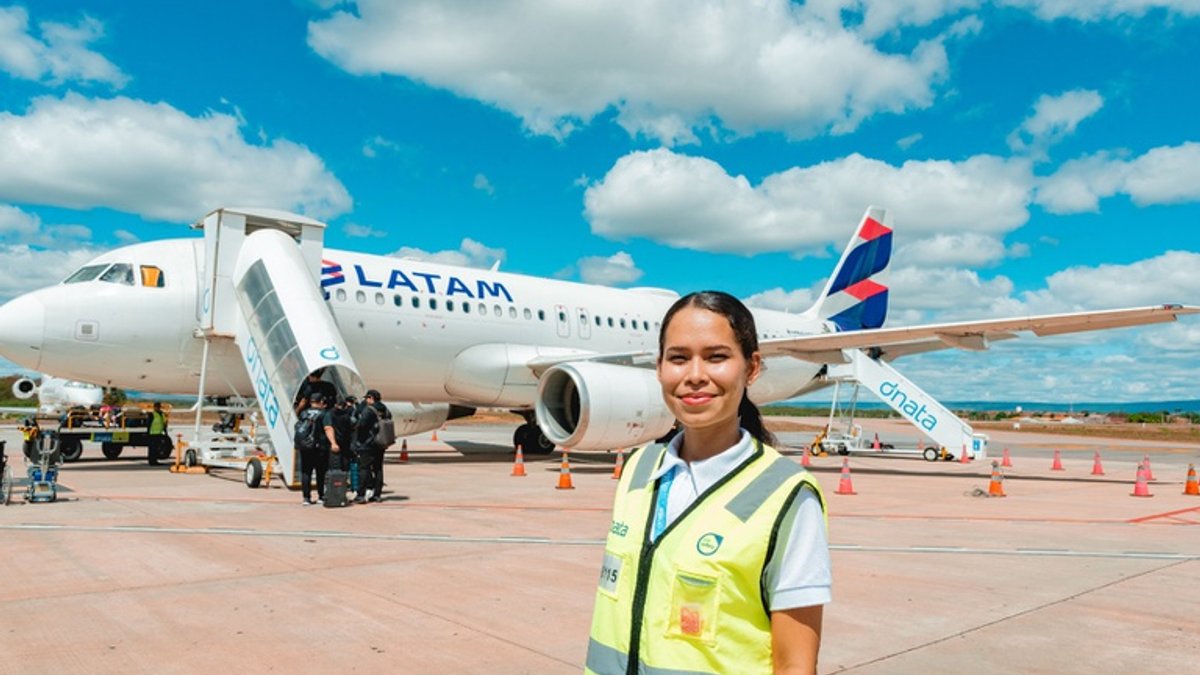
The Ministry of Ports and Airports (MPor) has intensified actions to increase the female presence in civil aviation professions, with initiatives aimed at training pilots and aeronautical maintenance mechanics. Conducted by the Civil Aviation Secretariat (SAC), the programs act in a complementary way to reduce historical inequalities and create concrete opportunities for women, especially in regions such as the semi-arid northeast.
Rectangular Intermediate Banner (320×50) – Position 50
Low female participation in technical and operational roles is still a challenge in Brazil. Currently, only 3% of pilots are women compared to 64,472 men. Among aeronautical maintenance mechanics, the proportion is repeated: 3% in a universe of more than 30 thousand professionals. The contrast appears in the role of flight attendants, where they represent 66% of the category.
For the Civil Aviation Secretary, Daniel Longo, the initiatives work in an integrated manner to transform the sector. “We are advancing on different fronts, from training pilots to qualifying mechanics, to ensure that more women have access to strategic careers in aviation. This improves the quality of the sector and expands development opportunities”, he highlights.
Cockpit access
One of the areas of activity is focused on training female pilots, an action that is part of the Asas para Todos program and supports the training of women in private pilot and commercial pilot courses. The policy contributes to meeting the demand for qualified professionals and strengthening regional aviation.
In total, 842 candidates signed up for the selection process, from which 20 participants were chosen, with 50% of the vacancies for women. The training, scheduled to be completed in December 2026, includes 183 hours of flight time, in addition to an English course aimed at international certification.
Technical qualification on the factory floor
On another front, MPor invests in the training of aeronautical maintenance mechanics, with courses focused on areas such as airframe, avionics and powertrain. The initiative expands women’s access to a strategic career in operational safety and aviation operations.
One of the students is Yasmin Selieli. For her, the opportunity represents a life change. “I always liked aviation, but I never had many opportunities. I graduated in nursing and was lost, not knowing what to do. When I saw the course, I realized it was the chance I needed, because I can’t afford to pay for training like that”, she says.
Yasmin highlights the impact of the encouraging environment at the beginning of training. “I have very high expectations. I felt motivated, welcomed and hopeful that this time things will work out”, she adds.
She also draws attention to the importance of increasing the female presence in the sector. “We are the majority in the population, so where are these women? Often there is a lack of opportunities or there is fear of disrespect. Projects like this are fundamental to changing this reality”, he says.
Special Social Communication Advisory
Ministry of Ports and Airports
Super Rectangle (728×90) – Position 17
SOURCE: