Portugal strengthens presence in Brazil and Port of Leixões leads strategic agenda at Intermodal 2026
Disclosure
The presence of Portuguese ports in Intermodal South America 2026held between the days April 14th and 16th, in the Anhembi District, in São Pauloreinforced the growing importance of logistical and commercial relations between Brazil and Europe. The fair, considered the largest in Latin America in the transport, logistics and foreign trade sectors, brought together more than 700 brands and representatives from around 90 countries.
Super Rectangle (728×90) – Position 17
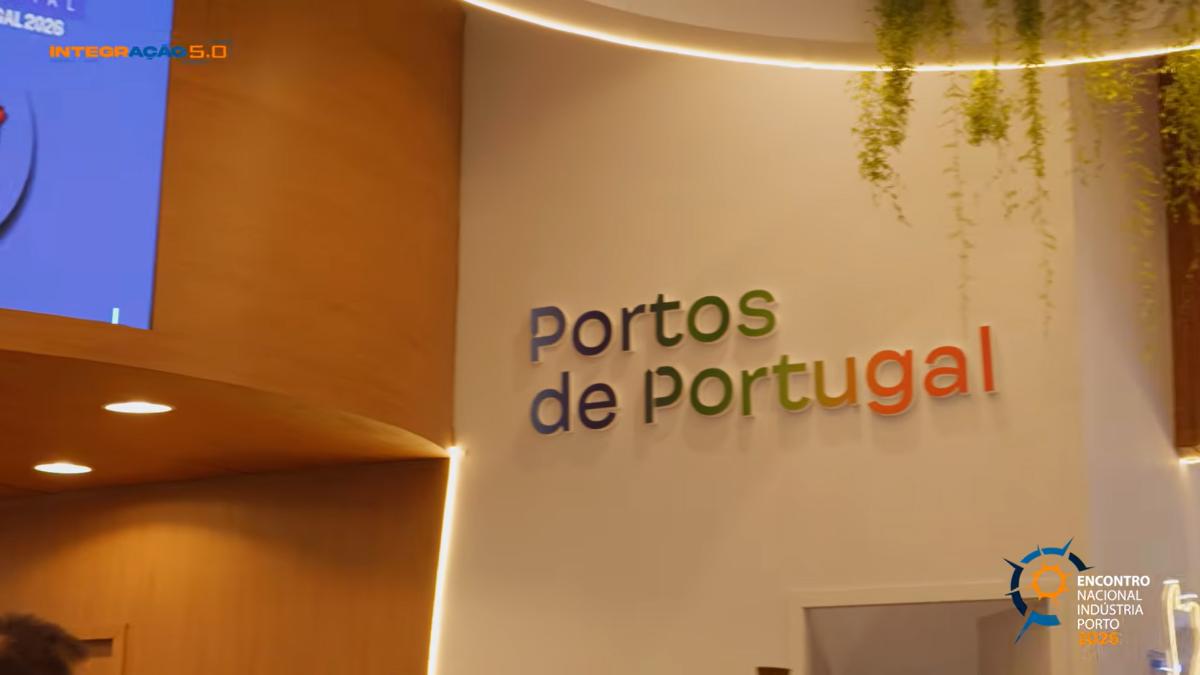
Among the international highlights, the Port of Leixões assumed a leading role by joining the delegation of Association of Ports of Portugal (APP)next to the ports of Lisbon, Setúbal, Sines and Aveiro. The joint participation aimed to expand business, attract new partners and consolidate the competitive positioning of Portuguese ports in global markets, with special attention to Brazil.
In an interview given to Port Newspapertoday in Integration 5.0 Programrepresentatives of the Portuguese delegation highlighted that the moment is strategic, especially given the strengthening of negotiations between Mercosur and European Union.
In the case of Leixões, the bet is clear: to become one of the main entry and exit points for goods between Europe and the South American market.
Located in the metropolitan region of Porto, Leixões is today one of the most relevant logistics hubs in Portugal, operating containerized cargo, bulk cargo, general cargo and cruises. Its privileged geographical position and proximity to the industrial fabric of northern Portugal make it a central part of European exports.
During participation in Intermodal, the port administration reinforced the infrastructure expansion plan, with investment estimated at 1 billion euros over the next 10 yearsaimed at modernizing terminals and expanding operational capacity.
The most emblematic project is the expansion of the container terminal, which should increase current capacity by approximately 700 thousand TEUs to around 1.4 million TEUspractically doubling cargo movement.
The movement is seen by the market as a decisive step to prepare Portugal for the new cycle of international trade.
In addition to the commercial agenda, Leixões’ presence in Brazil had relevant institutional weight. Industry sources point out that bilateral meetings with logistics operators, shipowners and Brazilian port representatives opened space for future partnerships linked to the flow of containers, industrialized products, food and agricultural commodities.
For Brazil, approaching Portuguese ports represents a strategic opportunity to expand export routes to Europe, especially in sectors such as coffee, cellulose, animal protein, chemicals and manufactured goods.
Portuguese participation in Intermodal 2026 also symbolizes a clear message to the market: Portuguese ports want to expand their presence in South America and see Brazil as a priority partner for the coming years.
Behind the scenes of the event, Leixões was cited by experts as one of the European terminals most attentive to the new redesign of global supply chains, especially after the pressure for more efficient, sustainable and resilient routes.
For the Brazilian port sector, the presence of the Portuguese port at last week’s fair reinforces the advancement of an increasingly integrated international agenda, in which Santos, Suape, Rio de Janeiro and Portuguese ports can assume a complementary role in connecting the continents.