
Op-Ed: A Bridge Crew's AI Alert Must Become a Judgment Drill
When an AI watchkeeping tool flags a contact as routine, what should a junior officer do if an independent observation tells a different story? That q...
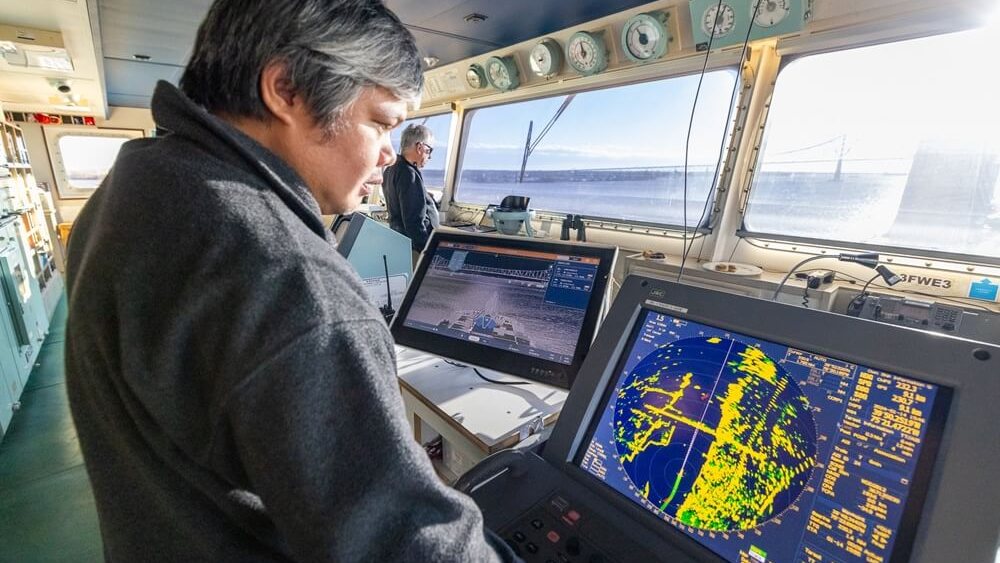
When an AI watchkeeping tool flags a contact as routine, what should a junior officer do if an independent observation tells a different story? That question deserves a place in maritime training before automated summaries become another familiar feature of the bridge.
In a September 2026 report, The Maritime Executive described how ship managers use AI-assisted watchkeeping to improve situational awareness and coach navigators. One executive stressed that the technology works best with capable, motivated mariners.
The promising part of that account is the use of data to strengthen seamanship. The unresolved question is how a vessel can tell whether its next generation of watchstanders is learning to challenge the tool.
A bridge team can acquire two different habits from the same technology. In one, officers see useful prompts and become quicker at checking evidence. In the other, they gradually learn to recognize the system's conclusions while losing practice reconstructing how those conclusions were reached. Routine voyages may offer few opportunities to discover which habit has taken hold.
This story was originally published by The Maritime Executive. Read the full story at The Maritime Executive →

Conversation