
Somali piracy is rising again. Is maritime intelligence keeping pace?
Somali piracy is rearing its head again. According to the International Maritime Bureau, Somali pirates were responsible for eight vessel hijackings in the first nine months of 2026, and 94%…
Somali piracy is rearing its head again. According to the International Maritime Bureau, Somali pirates were responsible for eight vessel hijackings in the first nine months of 2026, and 94% of seafarers taken hostage worldwide during the period. That increase in Somali piracy runs counter to the wider global trend: IMB recorded 51 piracy and armed robbery incidents worldwide over the same period, the lowest nine-month total since 1992.
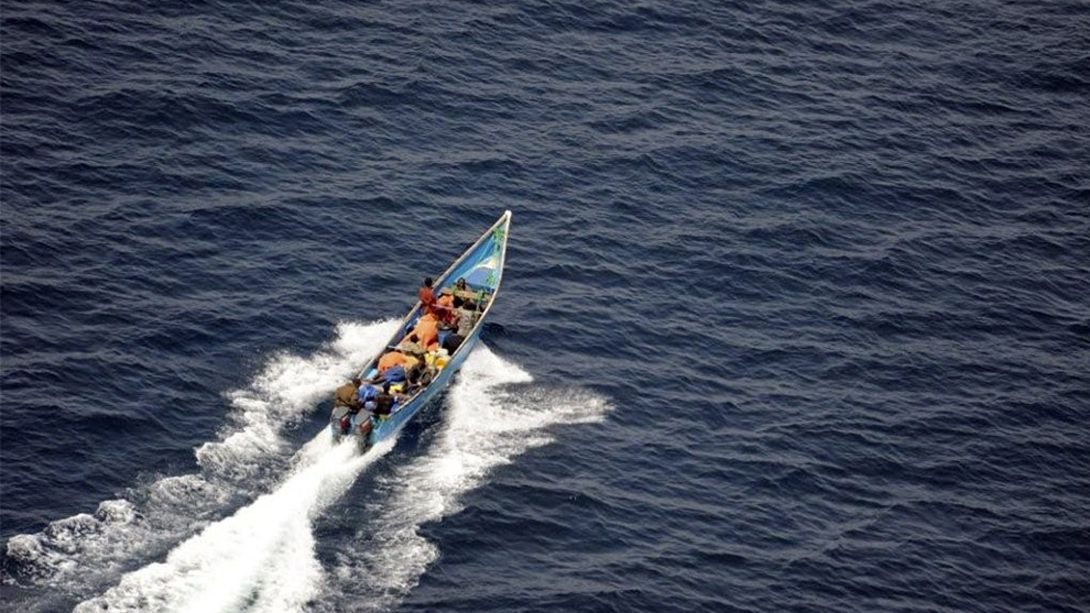
Of course, this latest spike is nowhere near the scale of the 2008–2013 piracy crisis, but it would be a mistake to assume the problem has been solved. The reasons behind the recent activity are mixed. Significant political and economic instability in Somalia itself remains part of the picture, alongside illegal fishing and wider insecurity in the region. Pirate groups are also still able to hijack fishing vessels and use them as motherships, giving them the range to operate hundreds of miles from the coast and expand their operations.
For maritime authorities and shipowners, that makes the quality and flow of information more important here in efforts to keep vessels and ocean waters/coastlines protected as much as possible. The challenge is not just spotting a threat, but making sure the right people have enough context and insight to act on it quickly. William Stewart, Director of Risk Intelligence and Strategy, and Maura Massana, Director of Government Relations and Affairs, Pole Star Global, explain how stronger maritime domain awareness and better intelligence sharing could help improve the response to Somali piracy.
This story was originally published by All About Shipping. Read the full story at All About Shipping →
Conversation