
Tanker Markets at Two Chokepoints
Allied Weekly Report
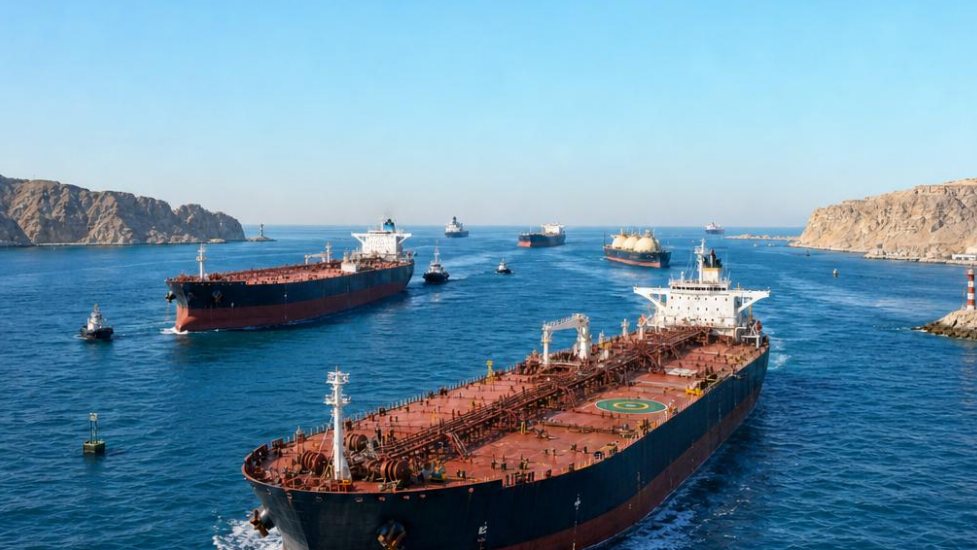
This week’s Allied Quantumsea Research reviews the extension of the US Jones Act waiver alongside the latest maritime-security and vessel-crossing developments at Bab el-Mandeb and the Strait of Hormuz.
Two distinct constraints continue to influence tanker freight markets. In the United States, the renewed Jones Act waiver permits selected foreign-flag coastwise shipments subject to voyage-specific clearance. In the Middle East, AIS-observed Hormuz traffic remains substantially below its year-earlier level while fresh incidents underline the continuing exposure of commercial shipping. The Red Sea shows some commercial activity, but neither a change in crossings nor a temporary decline in reported attacks is sufficient evidence of a durable normalization in vessel access.
On 13 November, US Customs and Border Protection confirmed that the Department of Homeland Security had approved a third extension of the March 2026 Jones Act waiver. The new 90-day period starts on 16 November 2026; covered products must be loaded before 11:59 p.m. Eastern Time on 14 February 2027. This is not a blanket suspension: prospective foreign-flag voyages require a vessel-availability request, a MARAD survey of coastwise-qualified capacity and a determination by the Department of War. Approved voyages also carry CBP notification and post-voyage reporting obligations. [1]
For tanker freight, the extension offers a mechanism to supplement domestic petroleum transportation when suitable US-qualified capacity is unavailable. Its effect on the wider international market depends on the actual number and class of approved foreign-flag voyages, their cargoes and the alternative employment displaced. The legal extension alone does not demonstrate a measurable reduction in international tanker supply.
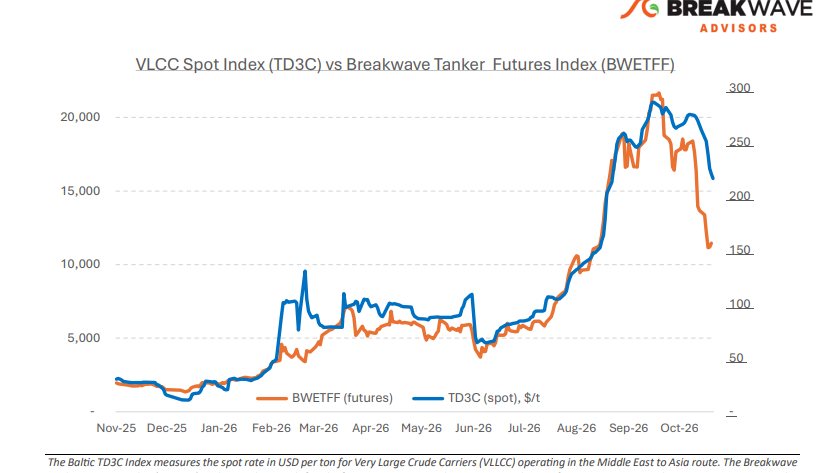
This story was originally published by Breakwave Advisors. Read the full story at Breakwave Advisors →


Conversation