
Transportation management needs more than visibility. It needs better decisions
Global transportation is an enormous web of thousands, if not hundreds of thousands, of interdependent shipments, routes, modes, carriers, facilities and trading partners, creating countless risks and opportunities. Each shipment has its own service…
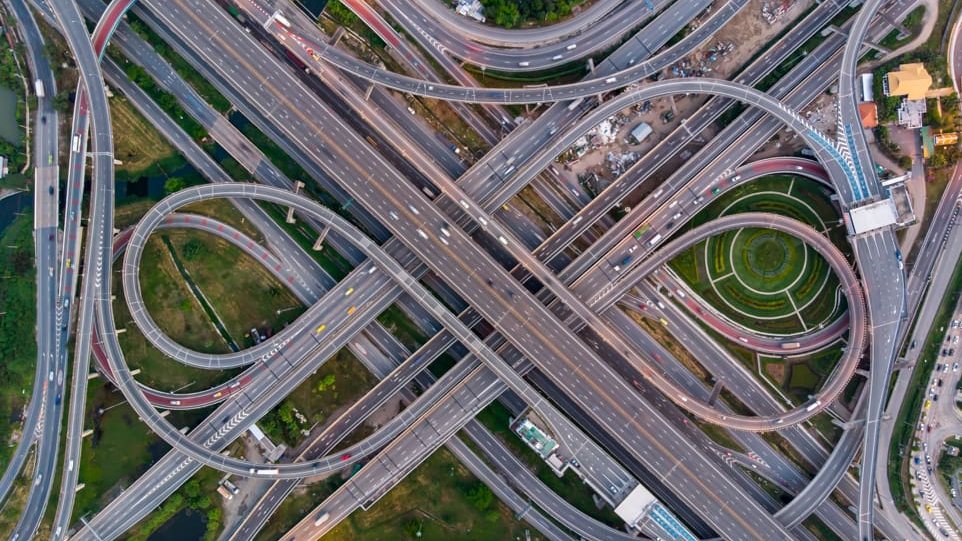
Global transportation is an enormous web of thousands, if not hundreds of thousands, of interdependent shipments, routes, modes, carriers, facilities and trading partners, creating countless risks and opportunities. Each shipment has its own service expectations, costs, capacity requirements and constraints. Across a global operation, transportation management becomes a continuous stream of interwoven decisions and data points. Yet seeing more is not enough. Without context to guide action, extended visibility feels like noise.
Blue Yonder AI and ML alone generate more than 27 billion predictions per day, illustrating both the volume of information and the supply chain’s reliance on AI to interpret it. Networks now include hundreds of thousands of members and track an even greater volume of shipments across the globe, modes and tiers.
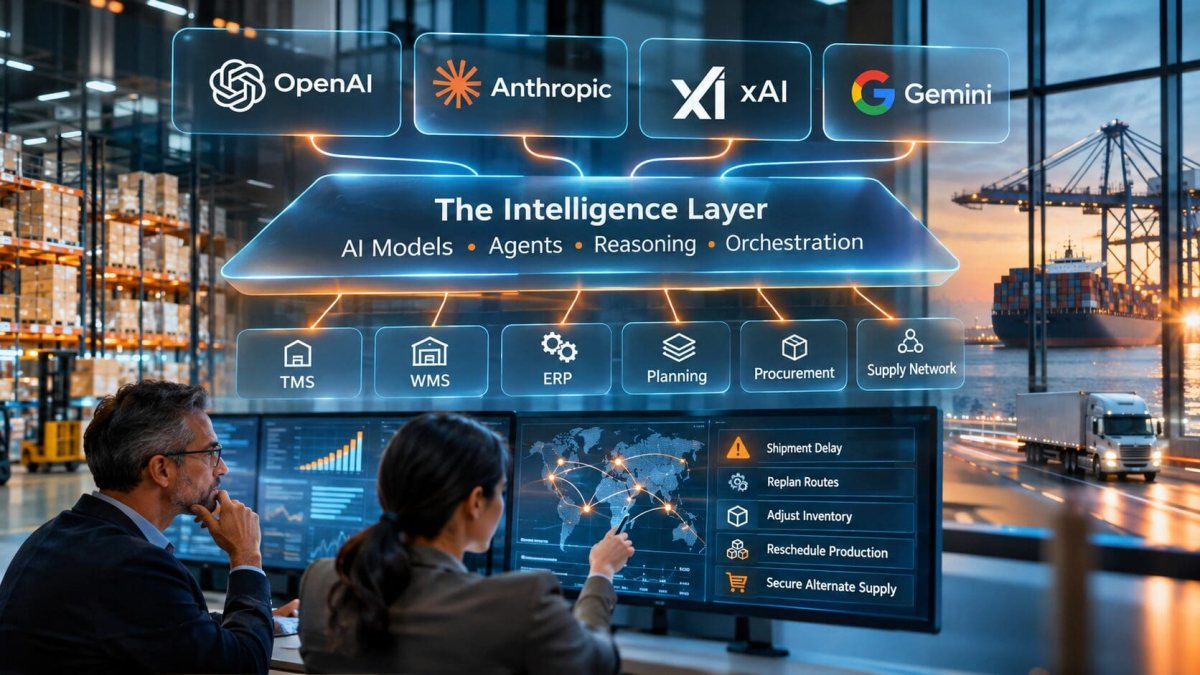
Making this data useful requires complementary technologies. Network visibility shows where shipments are and how conditions are changing, but it is not enough. To strengthen the equation, collaboration enables teams and trading partners to coordinate execution and automate tasks, while AI interprets enterprise and network signals to evaluate responses. Together, this trifecta helps transportation teams understand what is happening, determine what matters and act on it.
Together, these capabilities raise a critical question: What do you do with what you see?
This story was originally published by Logistics Viewpoints. Read the full story at Logistics Viewpoints →
Conversation