Port of Antwerp-Bruges turnover falls 3.2% in the quarter
Disclosure
In the first quarter of 2026, the Port of Antwerp-Bruges handled 65.5 million tons of maritime cargo, a drop of 3.2% compared to the same period of the previous year, the port authority reported this Thursday (23). General cargo movement, in particular containers and conventional general cargo, fell 4.4%, while bulk cargo movement fell 0.6% and RoRo traffic increased.
Super Rectangle (728×90) – Position 17
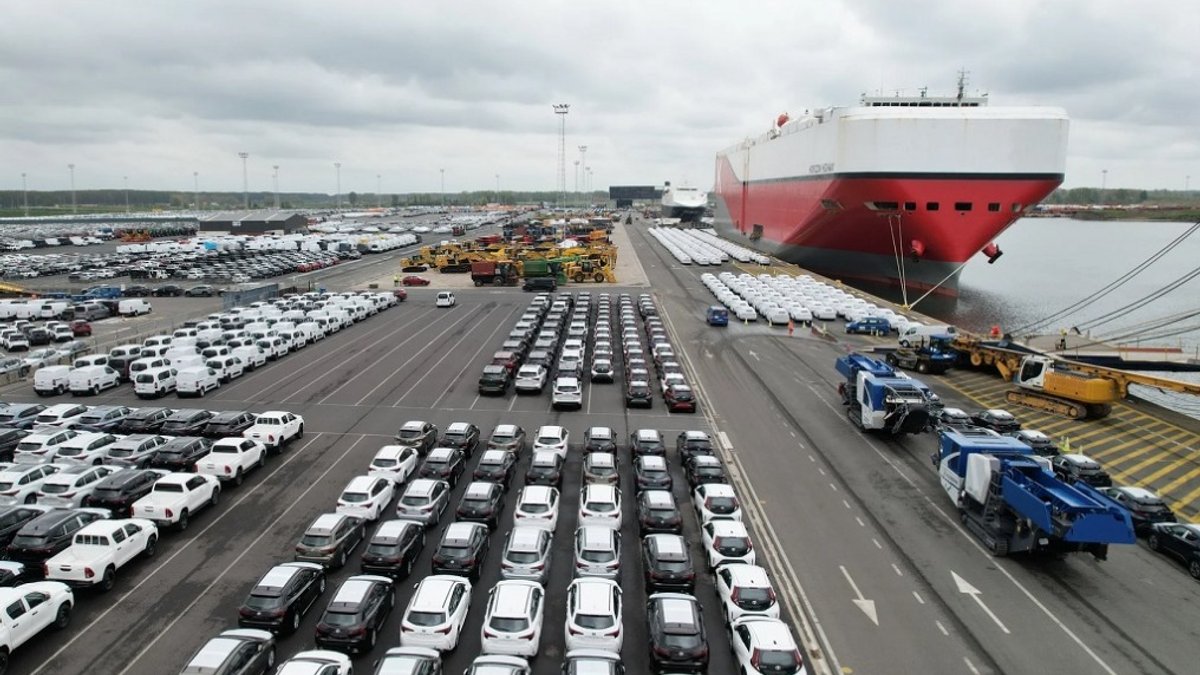
In the first three months of the year, container movement decreased by 5.5% in tons and 2.6% in TEUs compared to the same period of the previous year. The port authority attributed the result to the strong movement registered in 2025, when the restructuring of container alliances generated high volumes of entry, and the drop in exports from Western Europe.
The port authority also highlighted that the beginning of the year was marked by extreme weather conditions, with a snowstorm and a prolonged cold wave in January, followed by storms in the Bay of Biscay until mid-February, which interrupted navigation and terminal operations. Additionally, a four-day strike by workers against pension reform had an impact on the results. These factors led to diversion of ships to other ports, in addition to preventing planned calls, due to lack of capacity at the terminals.
The estimate is that there was a loss of 100,000 TEUs, equivalent to approximately 1.1 million tons, in the movement of containers. However, from mid-February and particularly in March, volumes recovered, highlighting the need for additional capacity for container movement.
According to the terminal’s management, general cargo transportation also came under pressure mainly due to the drop in steel exports to the United States, Mexico and Canada and the entry into force of the Carbon Border Adjustment Mechanism (CBAM) on January 1. On the other hand, the RoRo segment recorded growth, driven by higher volumes of new vehicles and heavy equipment. According to the entity, short-distance RoRo traffic continues to be affected by the European Union’s Emissions Trading System (SCE), mainly over long distances, although migration to road transport appears to be decreasing due to rising diesel prices.
Solid bulk transport fell 4.9% in the quarter, due, according to the port authority, among other factors, to the reduction in fertilizer volumes and the disappearance of coal traffic. The transport of liquid bulk grew 0.2%, thanks to the performance in March. The volumes of gasoline, naphtha, fuel oil and LNG increased, but those of diesel, kerosene and LPG decreased.
The assessment is that the results are influenced by changes in market conditions, changes in raw materials, anticipation of the European ban on imports of Russian LNG, as well as geopolitical tensions and market dynamics. And that the flow of chemicals remains under pressure due to the fragility of the European chemical industry.
The direct impact of the conflict in the Middle East remained limited in the first quarter, and declines in imports and exports to and from the Persian Gulf, of 12% and 49% respectively, during the period are largely attributable to weather-related disruptions. But from the end of March the first effects became visible, and on March 23, the last LNG tanker from Qatar arrived in Zeebrugge, and container shipping lines adjusted their sailing schedules to alternative ports in the Middle East and Eastern Mediterranean.
Currently, the most significant impact of the war in the East and the blockade of the Strait of Hormuz is indirect, with rising energy and fuel prices, which further weaken the competitiveness of European industry. At the same time, low levels of gas storage in Europe, which will need to be replenished before next winter, and disruptions to supply chains for certain products are creating additional uncertainty and inflationary pressure.