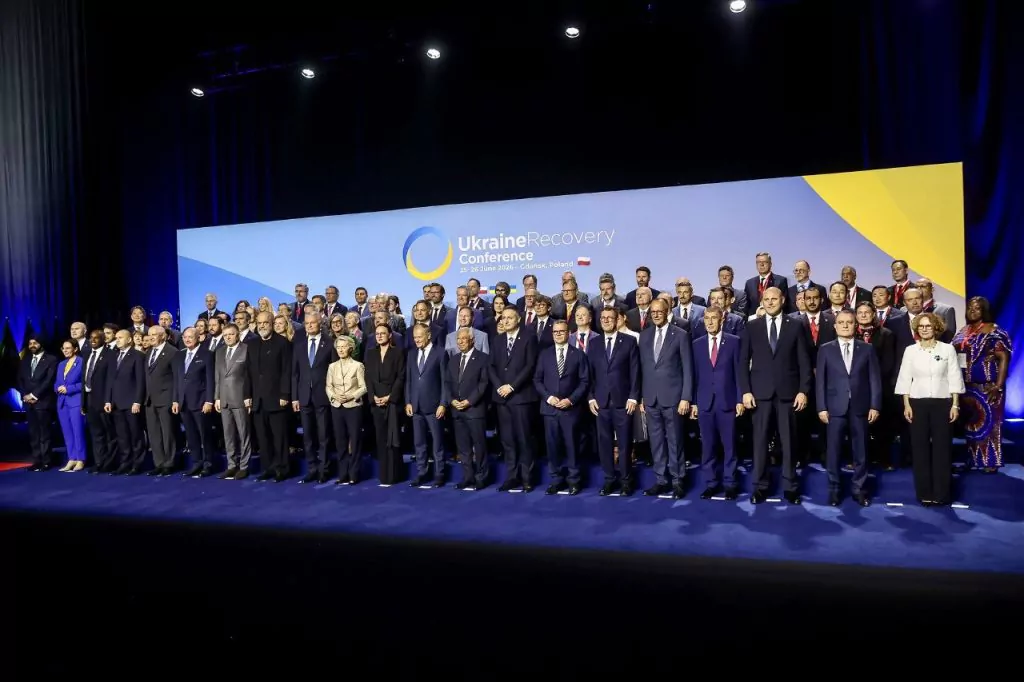

The fifth edition of the Ukraine Reconstruction Conference was hosted in Gdańsk on June 25 and 26, 2026, bringing together over 70 state delegations alongside thousands of representatives from the business sector, financial institutions, and international and non-governmental organisations.
The conference, following previous editions in Rome, Berlin, London and Lugano, aimed to motivate and coordinate international efforts supporting Ukraine’s reconstruction following Russian aggression.
Polish Prime Minister Donald Tusk opened the conference, drawing on the symbolism of Gdańsk as a city that experienced near-total destruction and subsequent rebirth, framing Ukraine’s reconstruction as encompassing not only physical infrastructure but social, economic and spiritual renewal.
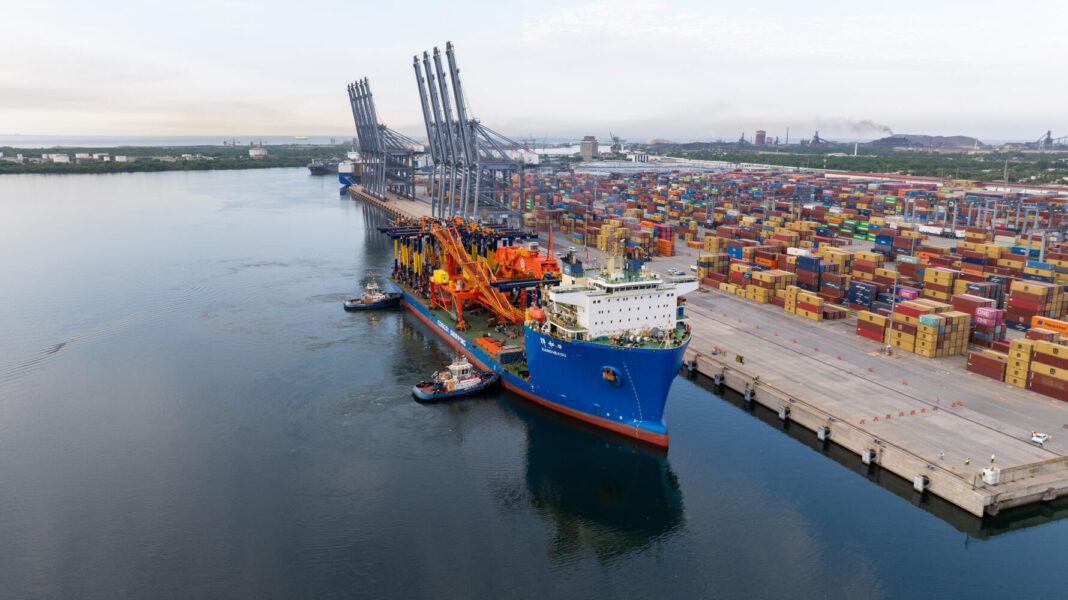
A dedicated panel on maritime and inland waterway transport, in which Alan Aleksandrowicz, Vice-President of the Port of Gdańsk Authority, participated, confirmed that the transport sector will be one of the primary drivers of Ukraine’s reconstruction.
Experts highlighted how the war has significantly altered regional logistics, increasing the strategic importance of alternative transport routes including Danube ports.
Ukraine’s Deputy Minister for Community and Territorial Development, Andrii Kashuba, articulated a vision for a modern, resilient and competitive Ukrainian transport system fully integrated with the European TEN-T network, encompassing infrastructure modernisation, fleet reconstruction, inland waterway development and the establishment of industrial parks and logistics centres linked to ports.
Despite persistent security threats, Ukrainian ports remain operational and central to global supply chains.
Since the launch of the maritime corridor in August 2023, the Port of Odessa has handled over 200 million tonnes of cargo, though port infrastructure continues to face targeted attacks, necessitating advanced security and operational resilience systems.
Polish-Ukrainian logistics partnership received particular attention. The Port of Gdańsk currently handles approximately 300,000 TEUs annually in trade with Ukraine, while Baltic Hub Container Terminal accounts for around 40 percent of the Ukrainian container market.
Poland has become Ukraine’s largest trading partner within the European Union.
Aleksandrowicz identified improving land transport capacity, reducing transit times and increasing border crossing efficiency through unified customs regulations and investment in intermodal rail infrastructure on both sides of the border as the most pressing challenges for the years ahead.
The conference confirmed that ports and logistics are not merely transport infrastructure in the context of Ukraine’s reconstruction, but fundamental pillars of economic integration, regional security and long-term stability.