
Can Central Asia become the alternative to the Middle East?
Airspace restrictions in the Gulf have sent Asia-Europe cargo looking for another road. Airports from the Caspian coast to the Uzbek desert are making their pitch, and the answer they offer is a land…
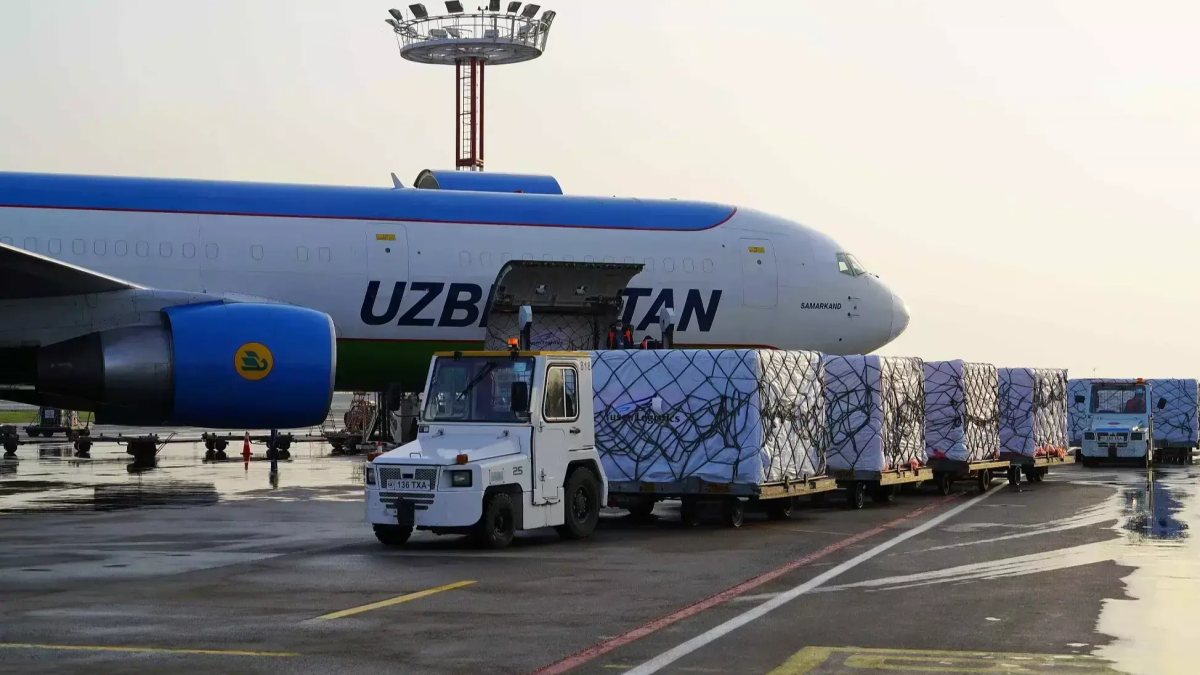
A Boeing 747-400 freighter recently landed at Aktau, a Caspian port city in western Kazakhstan, carrying an oversized gas turbine from the UK. The airport could take it because reconstruction work raised the strength of its pavement, measured as the Pavement Classification Number (PCN), to the level that 747 freighters need.
One gas turbine does not make a trade route. But it points to a question that air cargo planners are asking in the middle of the holiday peak. If the Middle East is no longer a reliable bridge between Asia and Europe, can the land in between take its place?
Why the Middle East mattered, and what has changed For years, a large share of air cargo between Asia and Europe has been routed through the Middle East. The reason is geography. Gulf hubs sit roughly halfway between the two continents, so aircraft can stop there, swap loads and fly on. Airlines built whole networks on that logic.
When airspace is restricted, that logic breaks. Aircraft fly longer routes, burn more fuel and arrive later. Costs rise and schedules become hard to trust. That hurts most in November and December, when electronics, online parcels, clothing and gifts all try to reach Europe at the same time.
This story was originally published by STAT Times. Read the full story at STAT Times →


Conversation