
Korean Air eyes 20% more belly cargo capacity from Asiana merger
Korean Air expects its available belly cargo capacity to rise 20% when it integrates Asiana Airlines on 17 December, giving it more room to bring freight from across Asia into Incheon to connect with…
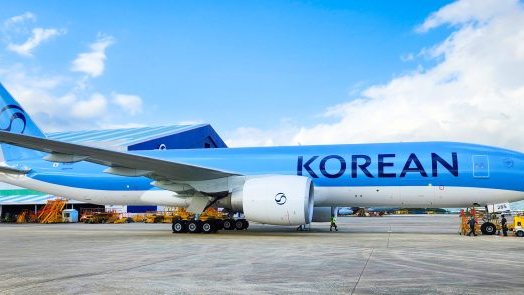
Korean Air expects its available belly cargo capacity to rise 20% when it integrates Asiana Airlines on 17 December, giving it more room to bring freight from across Asia into Incheon to connect with long-haul services.
The expansion comes after a third quarter in which Korean Air’s standalone cargo revenue rose 34.3% year on year, to ₩1.43tn ($1.05bn), according to its preliminary results.
Cargo traffic, measured in cargo tonne-km, increased 5.3% against a 4% increase in capacity, while yields climbed 27.5%. Compared with the second quarter, however, cargo yields fell 10.5%, while traffic rose 3.8%.
For the first nine months, cargo revenue was up 28%, to ₩4.06tn. The airline cited steady demand for AI and semiconductor shipments, alongside time-sensitive cargo ranging from solar equipment to fresh eggs.
This story was originally published by The Loadstar. Read the full story at The Loadstar →

Conversation