
Ocean Freight Resilience Is a Network Design Problem, Not a Routing Exercise
Ocean freight resilience requires more than alternate routes. Learn how ports, inland transport, inventory and decision rights determine actual customer.
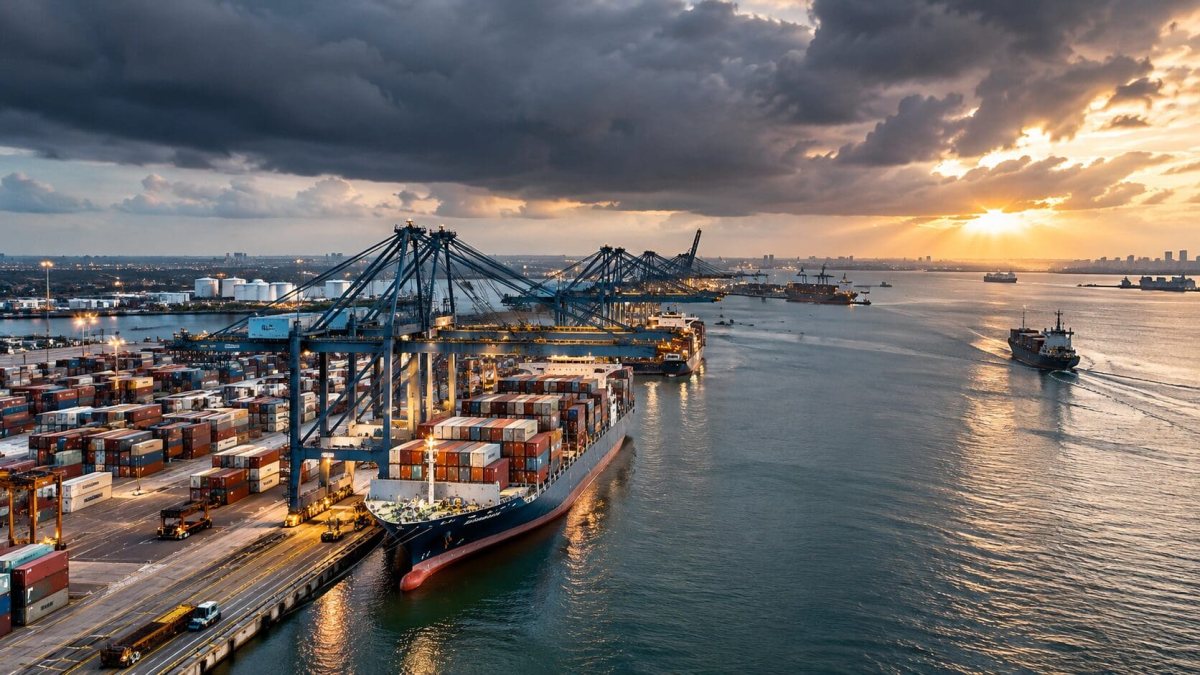
The moment a major ocean corridor becomes unreliable, transportation teams look for substitute sailings. That can be necessary, but the ability to shift a vessel is not the same as the ability to continue serving customers. Effective resilience requires alternative ports, inventory positions, service commitments and cross-border processes to be designed before the disruption. In that sense, ocean risk is a capital-allocation and network-design question rather than simply a routing calculation.
A route is a sequence of transportation links. A network is the system of production sites, suppliers, inventories, ports, carriers, customs procedures, and customers that makes the route useful. A vessel diversion may add days or weeks, but the effects depend on what inventory is available elsewhere and which orders are most sensitive to delay. Two vendors in different countries may depend on one upstream component source. Two ocean services may share a transshipment hub. A customer may have several ports available but only one qualified distribution center. These common points of failure are rarely visible in a simple routing plan.
Suppose a manufacturer routes its inbound containers through a second port. The ocean service may be available, yet drayage capacity, customs brokerage, receiving labor and warehouse dock appointments could all be constrained. A different arrival location also changes inland distances, chassis needs and the inventory available to support customer orders. A scenario that merely substitutes a port code in the transportation system understates the work required to preserve service.
This story was originally published by Logistics Viewpoints. Read the full story at Logistics Viewpoints →

Conversation