
Who Authorizes the AI Agent? A Supply Chain Lesson from OpenAI’s Daybreak Red
Consider an AI transportation agent that identifies a delayed inbound shipment, determines that a customer order is at risk, evaluates alternative carriers, and books expedited transportation to protect the delivery commitment. From a service…
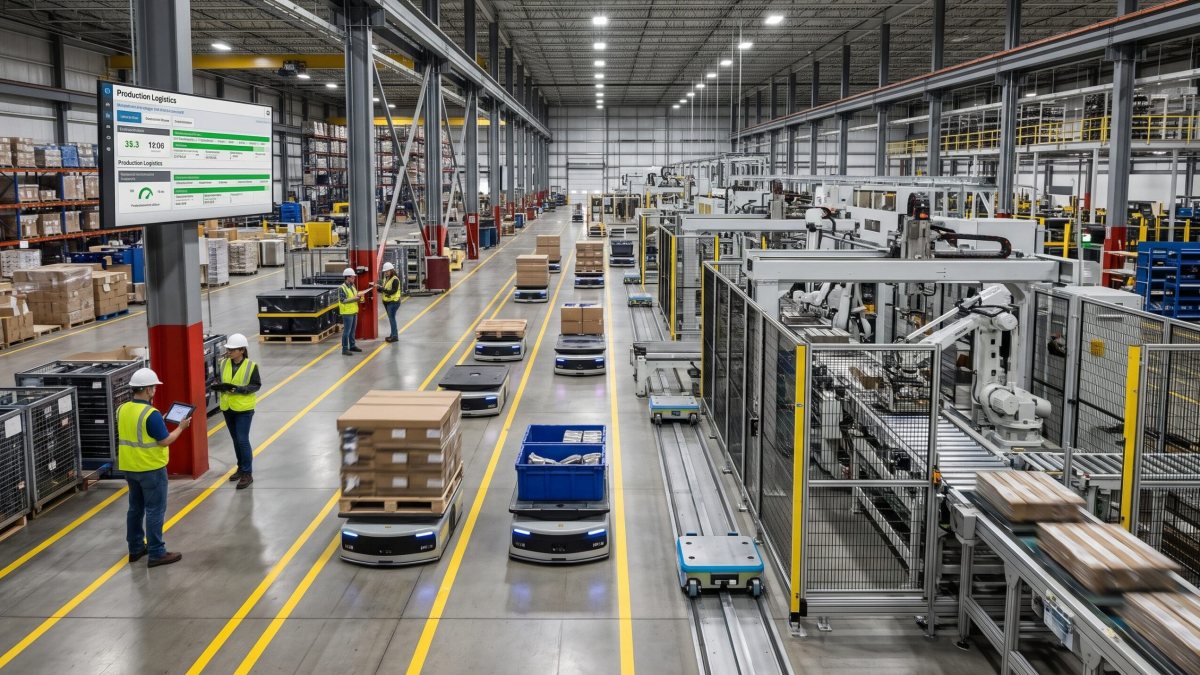
Consider an AI transportation agent that identifies a delayed inbound shipment, determines that a customer order is at risk, evaluates alternative carriers, and books expedited transportation to protect the delivery commitment. From a service perspective, the decision may be entirely reasonable. From a financial perspective, however, the additional freight expense could eliminate the order’s profitability. The agent has successfully optimized one objective while potentially violating another.
This scenario illustrates an increasingly important distinction in the evolution of artificial intelligence: the ability to make a decision is not the same as the authority to execute it. As AI moves from providing recommendations to executing operational workflows, enterprises must establish controls that extend beyond the intelligence of the underlying models.
OpenAI’s new Deploying Daybreak Red reference architecture provides a useful framework for separating model capability from operational authority. The document concerns supervised cybersecurity investigations, not supply chain automation. Its relevance to logistics lies in the architecture of permission boundaries, isolated execution, independent monitoring, and the ability to stop an agent’s work.
Daybreak Red provides approved cybersecurity specialists access to advanced AI capabilities for authorized vulnerability research and supervised investigations. The reference design assumes a qualified human investigator, an AI coordination layer, an isolated execution environment, and target systems reachable only under defined rules. It should be read as a reference architecture for a particular controlled use case—not as proof that autonomous agents are safe to operate across live industrial or commercial networks.
This story was originally published by Logistics Viewpoints. Read the full story at Logistics Viewpoints →

Conversation